Our Mission
To support incarcerated women to discover their innate capacity for conscious change and inner freedom.
Our Mission
To support incarcerated women to discover their innate capacity for conscious change and inner freedom.
Our Vision
A justice system in which every incarcerated woman has the opportunity to heal and to live with dignity, purpose, and hope.
Our Vision
A justice system in which every incarcerated woman has the opportunity to heal and to live with dignity, purpose, and hope.
Our Story
The Lioness Tale Prison Project launched in the Central California Women's Facility in 2009, but the origins of the program date back nearly forty years. In 1986 our founder, Diane Pendola, completed her Masters degree at the Graduate Theological Union in Berkley, California. Her thesis, “From Brokenness to Reconciliation: A Feminist-Liberation Response to Women in Jail and Prison,” laid the foundation for everything that was to follow. Soon after graduation, Diane and her partner, Teresa Hahn, established Skyline Harvest, a nonprofit organization dedicated to creating a healing space on their beautiful land in the Sierra Nevada foothills.
The Lioness Tale Prison Project launched in the Central California Women's Facility in 2009, but the origins of the program date back nearly 40 years. In 1986 our founder, Diane Pendola, completed her Masters degree at the Graduate Theological Union in Berkley, CA. Her thesis, “From Brokenness to Reconciliation: A Feminist-Liberation Response to Women in Jail and Prison,” laid the foundation for everything that was to follow. Soon after graduation, Diane and her partner, Teresa Hahn, established Skyline Harvest, a nonprofit organization dedicated to creating a healing space on their beautiful land in the Sierra Nevada foothills.
Thus began years of outreach to women incarcerated in the Yuba and Sutter County Jails, as well as federal and state correctional facilities. Diane and Teresa petitioned sentencing judges to release women to their care in lieu of going to prison. Some of those same judges also released women, sentenced to time in county jail, to leave the jail on weekends to attend 12-step and inner child healing workshops led by Diane and Teresa. This workshop series ended with a graduation ceremony and thanksgiving meal made by Teresa. For many of the women, this was the first such meal and the only graduation they had experienced.
Those years, Diane listened closely to stories of childhood abuse and neglect, of horrifying accounts of sexual predation by known family members or trusted authority figures. She listened to the outpouring of emotional and spiritual pain which had led to alcohol or drug addiction and eventually to incarceration. She became deeply aware of the multiple ways these women had become imprisoned -- not only physically, but emotionally and spiritually. Too many of them had been severed from their own sense of human dignity and wholeness, and now they were caught in a system that further traumatized them and degraded their self-worth.
It was out of these years of listening to incarcerated women that The Lioness Tale was conceived and written. Diane wanted to write these women’s stories as one story. She wanted a story that would speak to them, and through them, to so many stories of trauma that exist within society at large. And she wanted to place the story in a context not of victimization, but of human freedom. She wanted the story to speak honestly to personal suffering without being defined by it. She wanted to write a liberating story.
After The Lioness Tale was written, it lived on a shelf until Hal Zina Bennett, an author and writing coach, read it and offered to help publish it. Diane had taken a break from prison work to broaden Skyline Harvest's footprint as an eco-contemplative center to address the sufferings and losses happening across the planet. But the book was asking to be shared with the women who had inspired it. Feeling called by the characters in the story, Diane wrote a proposal for The Lioness Tale Prison Project, an innovative program centered around the book as the foundational text. The first cohort, of what was to become affectionately nicknamed "LiT-uPP," was piloted at CCWF in December 2009. Since then, the story of Lioness has been owned by hundreds of women. They have embraced their own inner authorship and essential freedom. Now they accompany others on the journey to self-recovery.

Thus began years of outreach to women incarcerated in the Yuba and Sutter County Jails, as well as federal and state correctional facilities. Diane and Teresa petitioned sentencing judges to release women to their care in lieu of going to prison. Some of those same judges also released women, sentenced to time in county jail, to leave the jail on weekends to attend 12-step and inner child healing workshops led by Diane and Teresa. This workshop series ended with a graduation ceremony and thanksgiving meal made by Teresa -- sometimes the first such meal and the only graduation experienced by these women.
Those years, Diane listened closely to stories of childhood abuse and neglect, of horrifying accounts of sexual predation by known family members or trusted authority figures. She listened to the outpouring of emotional and spiritual pain which had led to alcoholism or drug addiction and eventually to incarceration. She became deeply aware of the multiple ways that these women had become imprisoned -- not only physically, but emotionally and spiritually. Too many of them had been severed from their own sense of human dignity and wholeness, and now they were caught in a prison system that further traumatized them and degraded their self-worth.
It was out of these years of listening to incarcerated women that The Lioness Tale was conceived and written. Diane wanted to write these women’s stories as one story. She wanted a story that would speak to them, and through them, to so many stories of trauma that exist within society at large. And she wanted to place the story in a context not of victimization, but of human freedom. She wanted the story to speak honestly to personal suffering without being defined by it. She wanted to write a liberating story.
After The Lioness Tale was written, it lived on a shelf until Hal Zina Bennett, an author and writing coach, read it and offered to help publish it. Diane had taken a break from prison work to broaden Skyline Harvest's footprint as an eco-contemplative center to address the sufferings and losses happening across the planet. But the book was asking to be shared with the women who had inspired it. Feeling called by the characters in the story, Diane wrote a proposal: The Lioness Tale Prison Project, an innovative program centered around the book as the foundational text. The first cohort, of what was to become affectionately nicknamed "LiT-uPP," was piloted at the Central California Women’s Facility in December 2009. Since then, the story of Lioness has been owned by hundreds of women. They have embraced their own inner authorship and essential freedom. Now they accompany others on the journey to self-recovery.
Our Team
Board of Directors
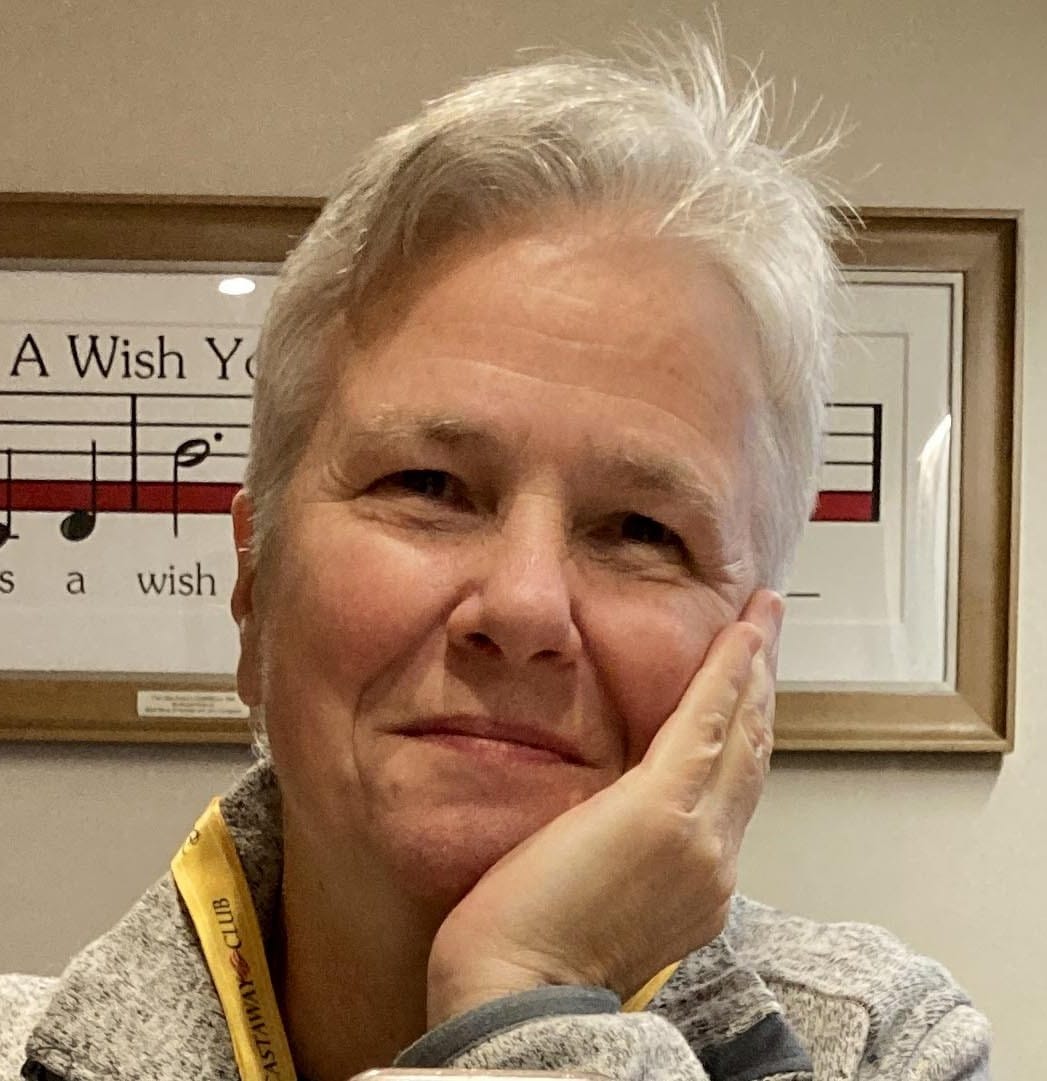
Sharon
Fontaine Terry
Chair
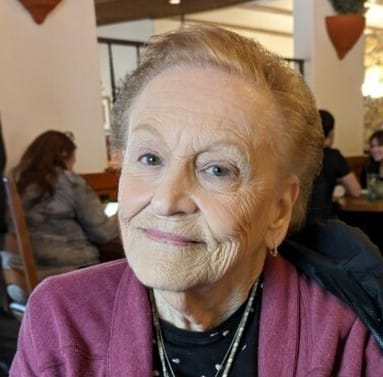
Judith
Barnett
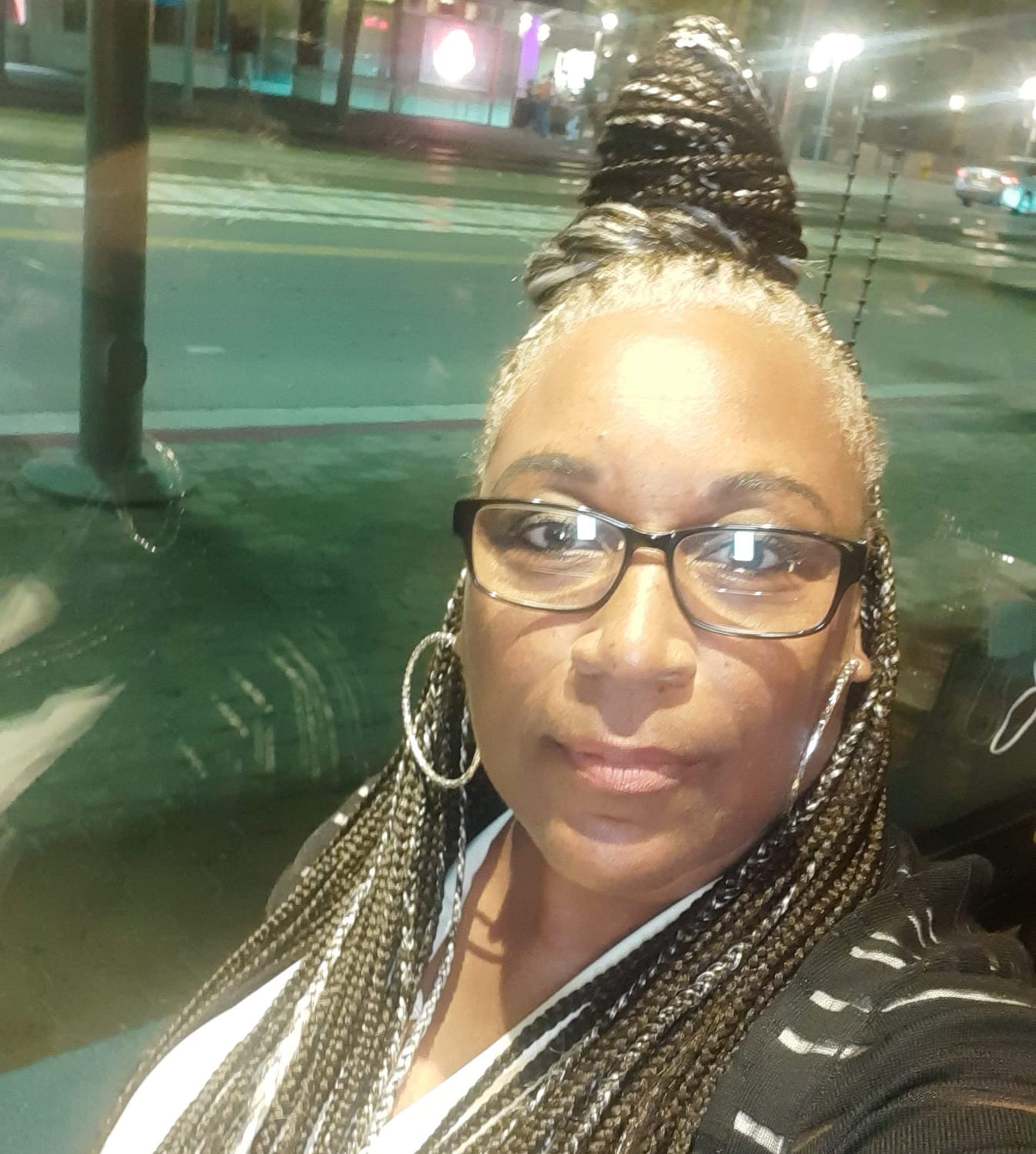
Tammy
Cooper-Garvin
Diane
Pendola
Emeritus
Staff & Volunteers
Kelly Jarvis
CEO
Nikki Fryn
Lead Coach-Mentor
Russell Jensen
Coach-Mentor
Incarcerated Facilitators
Our trained program facilitators are called "Panthers."
Our trained program facilitators are called "Panthers."

Alissa
Brittany
Heather
Andi
Kelly
Our Founder
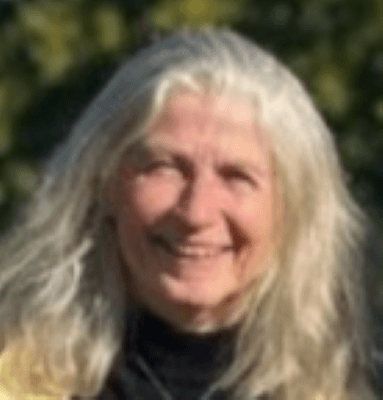
Co-founder of Skyline Harvest, Diane Pendola is the creator of The Lioness Tale Prison Project and author of The Lioness Tale, the book upon which the program is based. Diane completed her Master’s degree in Theology in 1986. In her graduate studies, she was deeply influenced by feminist and liberation theologies, with their emphasis on giving voice to the voiceless and bringing the disenfranchised from the margins to the very center of authentic life.
Diane practices and teaches meditation, Gestalt Awareness Practice, and the Enneagram, all of which is integrated into The Lioness Tale Prison Project curriculum. As an Emeritus member of the Board of Directors, she continues to serve as a valuable advisor for LiT-uPP.
Diane received her Masters in Fine Arts in poetry in 2025 and is pursuing her love of writing full time. She recently completed Raven Journey, a companion book to The Lioness Tale, and is working on a third book. On her 200 acres of forest land in the Sierra Nevada Foothills, she maintains the Skyline Writers’ Sanctuary, where she offers remote cabins for writers, artists and meditators to explore their creative spirit.